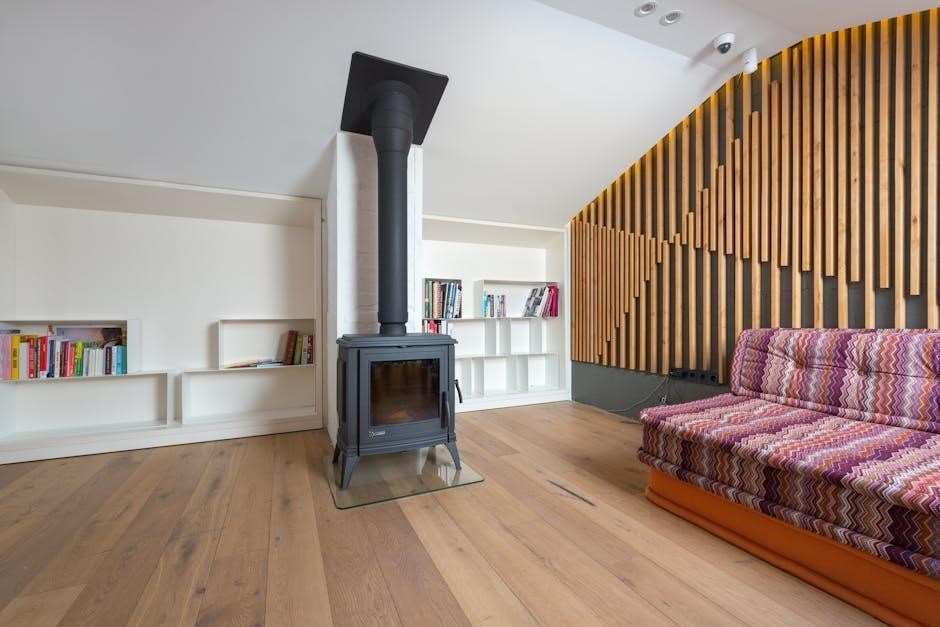
Quadrafire Pellet Stove Manual: A Comprehensive Guide
This manual provides detailed instructions for operating and maintaining your Quadrafire pellet stove, ensuring efficient heating and a cozy atmosphere within your home.
Understanding Your Quadrafire Pellet Stove
Quadrafire pellet stoves offer a convenient and efficient heating solution, differing from traditional wood stoves by utilizing compressed wood or biomass pellets as fuel. These stoves automatically feed pellets into a firepot, maintaining a consistent burn and heat output.
Understanding the core components – the hopper, auger, firepot, and control board – is crucial for safe and effective operation. Pellet stoves provide cost-effective warmth and a charming ambiance, mirroring the appeal of fireplaces, but with enhanced control and reduced emissions.
Model Identification and Manual Location
Locating your Quadrafire pellet stove’s model number is the first step towards accessing the correct documentation. This number is typically found on a label affixed to the stove’s back panel or inside the firebox. Knowing your specific model ensures you’re referencing the appropriate manual for your unit’s features and maintenance requirements.
The complete owner’s manual can often be downloaded from the official Quadrafire website using your model number. Alternatively, a physical copy was included with your stove upon purchase; retain it for future reference.
Safety Precautions and Warnings
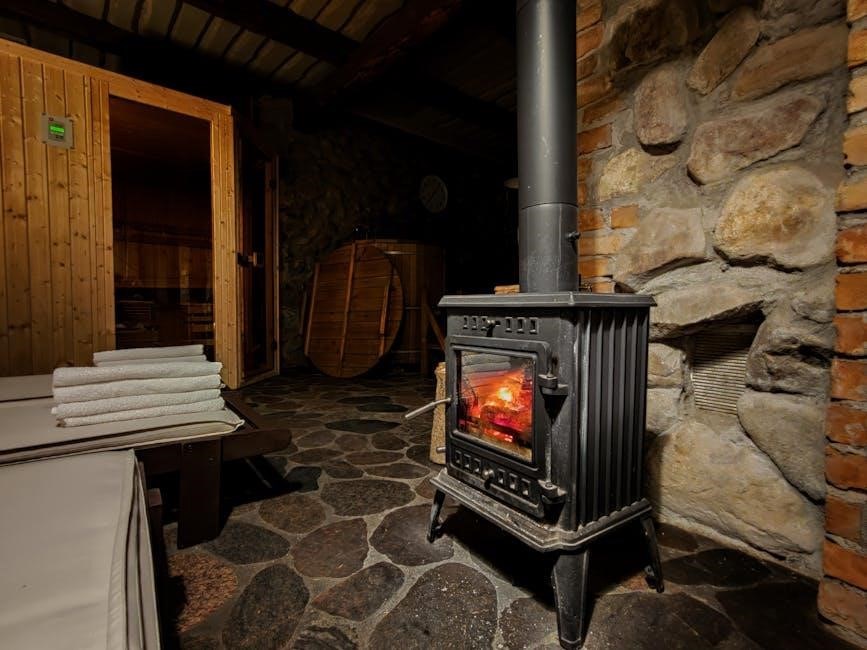
Prioritize safety when operating your Quadrafire pellet stove. Always ensure proper installation by a qualified technician, adhering to local codes. Never store flammable materials near the stove, maintaining a safe clearance of at least three feet. Regularly inspect the venting system for obstructions or damage, and never operate the stove with a damaged vent.
Keep children and pets supervised around the hot stove. Be aware of the risk of burns from the stove’s surfaces and hot exhaust gases. Disconnect power before performing any maintenance.
Carbon Monoxide Detection
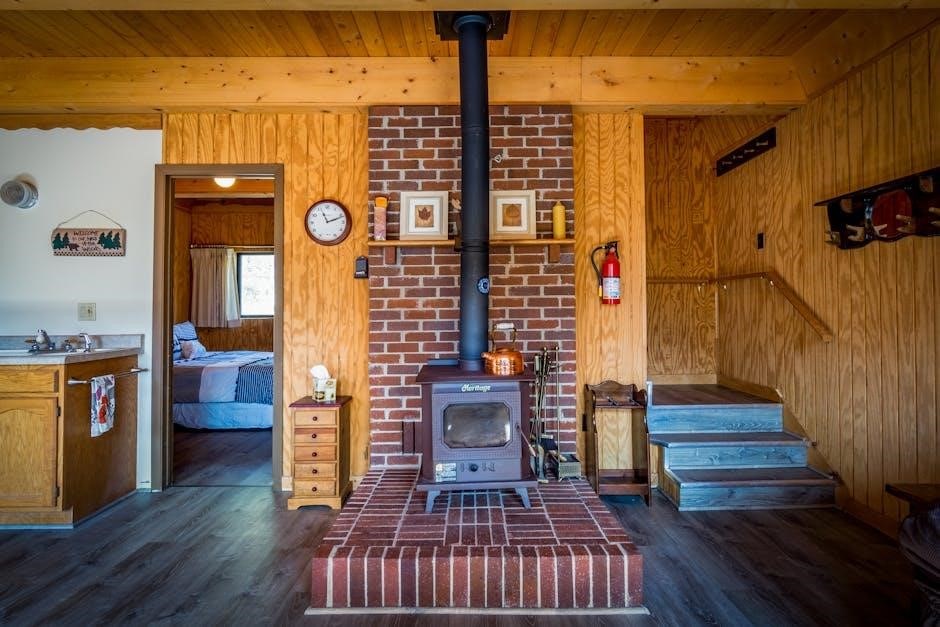
Carbon monoxide (CO) is a colorless, odorless, and deadly gas. Your Quadrafire pellet stove, while generally safe, can produce CO if not properly maintained or vented. Install CO detectors on every level of your home, especially near sleeping areas, and test them monthly.
Recognize the symptoms of CO poisoning: headache, dizziness, weakness, nausea, vomiting, chest pain, and confusion. If a CO alarm sounds, evacuate immediately and call emergency services. Never ignore a CO alarm!
Proper Ventilation Requirements
Adequate ventilation is crucial for safe and efficient operation of your Quadrafire pellet stove. Pellet stoves require fresh air for combustion, and proper venting expels exhaust gases. Ensure the room has sufficient air supply; tightly sealed homes may require an outside air kit.
Never block or obstruct air vents. Regularly inspect venting pipes for damage or blockages. Follow local building codes regarding stove clearances and venting requirements to prevent fire hazards and ensure proper functionality.
Stove Components and Their Functions
Your Quadrafire pellet stove comprises several key components working in harmony to deliver efficient heat. The hopper stores pellet fuel, while the auger system delivers it to the firepot, where combustion occurs. A control board manages the entire process, displaying information on the display panel.
Understanding each component’s role is vital for proper operation and maintenance. Regular inspection and cleaning of these parts ensure optimal performance and longevity of your heating system.
Hopper and Auger System
The hopper is the reservoir holding your pellet fuel, typically located on top of the stove. Its capacity dictates how often you need to refill. Below the hopper, the auger system – a rotating screw – transports pellets to the firepot;
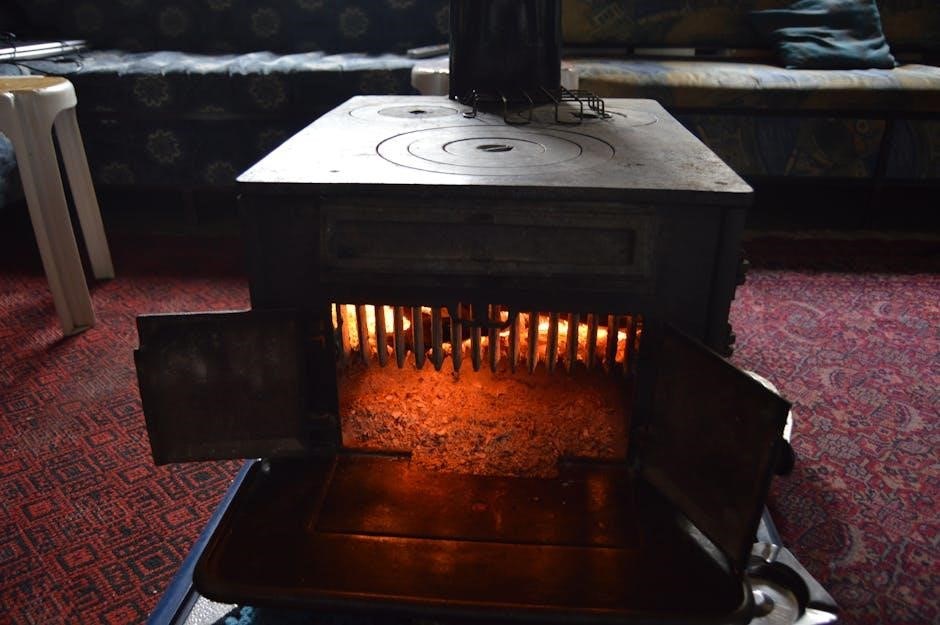
Consistent pellet delivery is crucial for a stable burn. Regularly check for obstructions within the auger tube and ensure the hopper lid seals tightly to prevent moisture contamination.
Firepot and Burn Pot
The firepot, or burn pot, is where the magic happens – combustion! Pellets are ignited here, creating heat. Different Quadrafire models utilize varying firepot designs, impacting burn efficiency and ash production. Regular inspection is vital; cracks or damage can compromise performance.
Ensure proper pellet distribution across the burn pot for even heating. A clean burn pot promotes optimal combustion and minimizes smoke. Consistent cleaning prevents buildup and maintains efficiency.
Control Board and Display Panel
The control board is the brain of your Quadrafire stove, managing all functions from ignition to burn rate. The display panel provides crucial information – temperature settings, fan speeds, and error codes. Familiarize yourself with the button layout and menu options for easy operation.
Adjust settings to achieve desired heat output and comfort levels. Monitor the display for any error messages, referencing the troubleshooting section of this manual. Protect the control board from moisture and dust.
Initial Setup and Startup Procedures
Before first use, ensure the stove is properly installed according to local codes and the installation manual. Verify the vent pipe is correctly connected and unobstructed. Double-check all electrical connections are secure. Begin by filling the hopper with approved pellet fuel, avoiding overfilling.
Follow the ignition sequence outlined in this manual. Allow the stove to cycle through its initial burn-in period, monitoring for any unusual noises or smells. Adjust airflow as needed for optimal combustion.
First-Time Fueling and Ignition
Carefully pour high-quality pellet fuel into the hopper, avoiding exceeding the maximum fill line. Ensure pellets flow freely to the auger. Power on the stove and select the ‘Ignite’ or ‘Start’ function on the control panel. Observe as the auger feeds pellets to the firepot.
The igniter will heat, initiating combustion. Allow several minutes for the pellets to ignite and establish a stable flame. Monitor the burn, adjusting airflow if necessary for a consistent, clean burn.
Adjusting Airflow for Optimal Burn
Fine-tuning airflow is crucial for efficient heating and minimal emissions. Locate the airflow control, typically a dial or setting on the control panel. Increasing airflow provides more oxygen, resulting in a hotter, brighter flame, but consuming pellets faster.
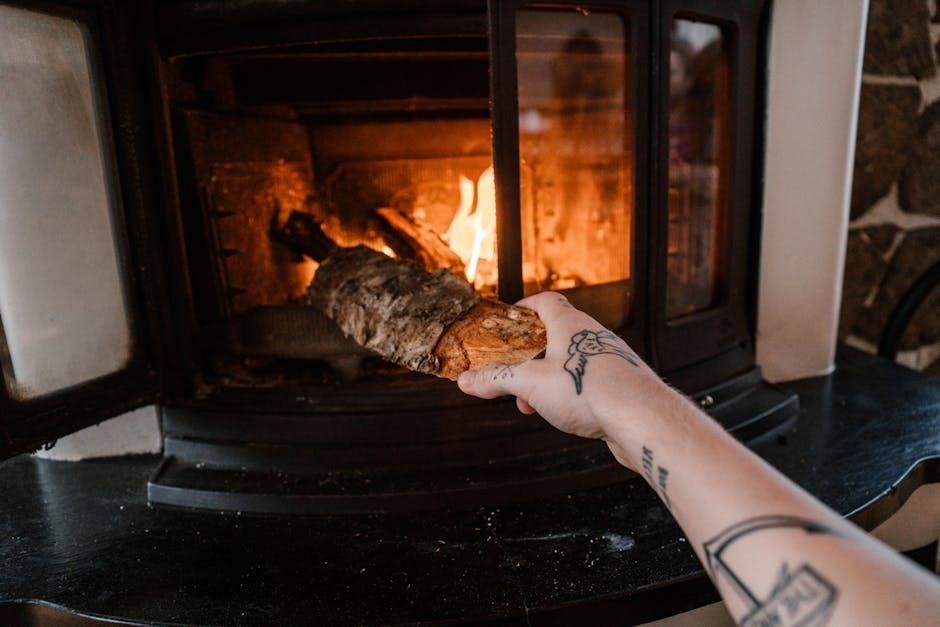
Decreasing airflow creates a cooler, smoldering burn, extending pellet life but potentially producing more smoke. Observe the flame and exhaust; a blue flame indicates optimal combustion. Adjust gradually until the desired heat output and burn quality are achieved.

Regular Maintenance and Cleaning
Consistent maintenance ensures peak performance and longevity of your Quadrafire stove. Daily ash removal prevents buildup that restricts airflow and reduces efficiency. Weekly glass cleaning maintains visibility of the flame, using a specialized glass cleaner.
Monthly deep cleaning involves inspecting and cleaning the firepot, burn pot, and exhaust venting. Regular inspections prevent potential hazards and maintain optimal heating. Following this schedule guarantees safe and efficient operation throughout the heating season.
Daily Ash Removal
Consistent daily ash removal is crucial for maintaining optimal stove performance. Allow the stove to cool completely before handling ash, using a dedicated ash removal tool. Carefully scoop out accumulated ash from the firepot and ash pan, avoiding creating dust.
Dispose of ash in a metal container with a tight-fitting lid, away from combustible materials. Regular removal prevents ash buildup, ensuring proper airflow and efficient combustion. Neglecting this task can lead to reduced heat output and potential safety concerns.
Weekly Glass Cleaning
Maintaining a clear view of the flames requires weekly glass cleaning. Ensure the stove is completely cool before beginning. Use a specialized pellet stove glass cleaner – avoid abrasive cleaners that can scratch the surface. Apply the cleaner to a soft cloth and gently wipe the glass, removing soot and residue.
Stubborn deposits may require a second application or a plastic scraper. Rinse with a clean, damp cloth and dry thoroughly. Regular cleaning enhances visibility and allows you to fully enjoy the warmth and ambiance.
Monthly Deep Cleaning of Components
A monthly deep clean ensures optimal performance and longevity. First, completely shut down and cool the stove. Remove the firepot and burn pot, carefully cleaning away ash and carbon buildup with a brush and vacuum. Inspect the auger for obstructions and clear any pellet jams.
Vacuum the combustion chamber and air passages. Check and clean the exhaust vent pipe for creosote accumulation. Reassemble all components securely before restarting. This thorough cleaning prevents issues and maximizes efficiency.
Troubleshooting Common Issues
Encountering problems with your Quadrafire stove is common; this section offers solutions. If the stove fails to ignite, check the pellet level, power supply, and igniter. Poor heat output often indicates insufficient airflow or low-quality pellets. Address auger jamming by removing obstructions and ensuring proper pellet flow.
Consistent issues may require professional service. Refer to the error code section for specific diagnostics. Regular maintenance minimizes these occurrences, ensuring reliable heating throughout the colder months.
Stove Not Igniting
If your Quadrafire stove won’t ignite, begin by verifying the pellet supply in the hopper – ensure it’s adequately filled with quality fuel. Next, confirm the power cord is securely connected and the stove receives electricity. Inspect the igniter for visible damage or debris, and test its functionality. A faulty igniter is a frequent cause.
Also, check for obstructions in the burn pot. If problems persist, consult the error code section for specific diagnostics related to ignition failures.
Poor Heat Output
Reduced heat output can stem from several factors. First, verify adequate pellet levels in the hopper and a consistent feed to the burn pot; Check for obstructions within the venting system – blockages significantly diminish performance. Ensure proper airflow; adjust settings for optimal combustion. Dirty glass or ash buildup can also impede heat transfer.
Consider pellet fuel quality; low-grade pellets yield less heat. Finally, examine the door gasket for air leaks, impacting efficiency.
Auger Jamming and Pellet Feed Problems
Auger jams often occur due to moisture-laden or oversized pellets, or foreign objects entering the auger tube. Inspect the auger for damage or obstructions; remove any debris carefully. Verify the hopper is free-flowing, preventing bridging. Ensure proper pellet quality – avoid dusty or broken pellets.
Check the auger motor for functionality and the drive coupling for wear. A consistently slow or intermittent feed suggests a motor issue or blockage within the feed system.
Pellet Fuel Quality and Storage
Selecting high-quality pellet fuel is crucial for optimal stove performance and minimal ash production. Look for pellets with low moisture content (under 20%) and minimal fines (dust). Premium pellets offer higher BTU output and cleaner burning. Store pellets in a dry, well-ventilated area, protected from rain and snow.
Keep pellets off the ground using pallets to prevent moisture absorption. Avoid stacking pellets too high, which can lead to compression and difficulty in feeding. Proper storage ensures consistent fuel quality throughout the heating season.
Choosing the Right Pellet Fuel
Selecting the appropriate pellet fuel significantly impacts your Quadrafire stove’s efficiency and longevity. Prioritize pellets certified by the Pellet Fuels Institute (PFI), guaranteeing consistent quality and low ash content. Consider the BTU rating; higher BTU pellets provide more heat per pound. Hardwood pellets generally offer superior performance compared to softwood options.
Avoid pellets with excessive dust or fines, as these can clog the auger system. Check for moisture content – ideally below 20% – to ensure clean burning and prevent operational issues.
Proper Pellet Storage Techniques
Maintaining dry pellet storage is crucial for optimal combustion and preventing stove malfunctions. Store pellets indoors, ideally in a dedicated, waterproof space, or securely covered outdoors. Elevate bags off the ground to prevent moisture absorption. Ensure adequate ventilation to minimize condensation buildup.
Avoid stacking pellets directly against exterior walls, which can be colder and prone to dampness. Inspect bags regularly for tears or damage, and promptly address any issues to safeguard fuel quality.
Advanced Features and Settings
Quadrafire stoves offer programmable thermostats for automated temperature control, enhancing comfort and efficiency. Explore adjustable burn rates to customize heat output based on your needs and fuel consumption preferences. Utilize advanced settings to fine-tune airflow and combustion parameters for optimal performance.
Experiment with heat settings to achieve desired room temperatures, and learn how to leverage the stove’s capabilities for consistent, reliable heating throughout the season. Refer to your specific model’s manual for detailed instructions.
Programmable Thermostat Operation
Your Quadrafire stove’s programmable thermostat allows for automated heating schedules, maximizing comfort and fuel efficiency. Set specific temperatures for different times of the day, creating a warm environment when needed and reducing consumption during unoccupied periods.
Explore the thermostat’s settings to establish daily or weekly routines, tailoring the heat output to your lifestyle. Ensure accurate temperature readings for optimal performance and consult the manual for detailed programming instructions and advanced features.
Adjusting Burn Rates and Heat Settings
Quadrafire stoves offer adjustable burn rates, allowing you to control the intensity of the fire and heat output. Lower burn rates conserve fuel and provide gentle warmth, while higher settings deliver maximum heat for colder periods. Experiment with different settings to find the optimal balance between comfort and efficiency.
Refer to the control panel to adjust these settings, monitoring the stove’s performance to ensure a consistent and comfortable temperature. Understanding these adjustments is key to maximizing your stove’s potential.
Error Codes and Their Meanings
Your Quadrafire pellet stove utilizes error codes to diagnose potential issues; These codes, displayed on the control panel, indicate specific problems ranging from sensor malfunctions to auger jams. Consult the comprehensive error code list within this manual to accurately identify the issue.
Each code is accompanied by a detailed explanation and recommended troubleshooting steps. Ignoring error codes can lead to further damage; prompt attention ensures optimal performance and longevity of your heating system.
Replacing Parts and Components
Maintaining your Quadrafire stove requires occasional part replacements due to wear and tear. Always disconnect power before attempting any repairs. This section details procedures for replacing common components like the firepot, auger motor, or blower fan.
Ensure you use only compatible replacement parts specified by Quadrafire to avoid damaging the stove. Consider your skill level; complex repairs may require a qualified technician for safe and effective service.
Finding Compatible Replacement Parts
Locating the correct replacement parts is crucial for your Quadrafire pellet stove’s performance and safety. Start by referencing your stove’s model number, found on the data plate, when searching. Quadrafire’s official website and authorized dealers are excellent sources for genuine parts.
Alternatively, reputable online retailers specializing in pellet stove components can offer compatible options. Always verify part numbers and specifications before purchasing to guarantee a proper fit and function, avoiding potential issues.
DIY Replacement vs. Professional Service
Determining whether to tackle a replacement yourself or hire a professional depends on your technical skills and the complexity of the repair. Simple tasks, like replacing the glass door gasket, are often DIY-friendly with careful attention to the manual.
However, repairs involving the control board, auger motor, or fuel system are best left to certified technicians. Incorrect installation can lead to malfunctions, safety hazards, and void your warranty. Prioritize safety and consult a professional when in doubt.
Winterizing Your Quadrafire Pellet Stove
As winter approaches, prepare your Quadrafire for peak performance. Ensure the stove and chimney are thoroughly cleaned, removing ash and creosote buildup. Inspect the door gasket for a tight seal to prevent drafts and maximize efficiency. Stockpile an adequate supply of high-quality pellet fuel, stored in a dry location.
Verify proper ventilation and test the carbon monoxide detector. Finally, familiarize yourself with cold-weather operation settings for optimal heating throughout the season.
Decommissioning and Long-Term Storage
When storing your Quadrafire for an extended period, complete a thorough cleaning. Remove all pellets from the hopper and auger to prevent moisture damage and pest infestations. Vacuum the firepot and burn chamber meticulously. Disconnect the power supply and cover the stove to protect it from dust.
Store the manual with the unit for future reference. Consider applying a corrosion inhibitor to metal parts before storage, ensuring longevity and easy re-commissioning.
Warranty Information and Support
Your Quadrafire pellet stove is covered by a limited warranty against manufacturing defects. The warranty period varies depending on the component, with longer coverage for critical parts like the firepot. Retain your proof of purchase for warranty claims. For support, visit the official Quadrafire website or contact their customer service department.
They offer troubleshooting assistance, parts ordering, and a network of authorized service technicians. Detailed warranty terms and conditions are outlined in the documentation included with your stove.
Frequently Asked Questions (FAQ)
Q: Why won’t my stove ignite? A: Check the pellet level, ensure proper power supply, and verify the igniter is glowing. Q: What causes poor heat output? A: Dirty components, improper airflow settings, or low-quality pellets can reduce efficiency. Q: How often should I clean the stove? A: Daily ash removal, weekly glass cleaning, and monthly deep cleaning are recommended.
Q: Where can I find replacement parts? A: Authorized Quadrafire dealers or the official website offer compatible parts.
Resources and Contact Information
For immediate assistance, visit the official Quadrafire website at [insert website address here] for downloadable manuals, troubleshooting guides, and a comprehensive FAQ section. To locate an authorized dealer near you, use the dealer locator tool on their website. Customer support can be reached via phone at [insert phone number here] during business hours, or through the online contact form.
Additional resources include online forums and communities dedicated to pellet stove owners.