Zone 7a Planting Schedule: A Comprehensive Guide
Navigating a Zone 7a planting schedule requires understanding frost dates and seasonal shifts for optimal garden success and abundant harvests.
Understanding Zone 7a
Zone 7a represents a specific geographical area defined by its average minimum winter temperature, falling between 0°F and 5°F (-17.8°C and -15°C). This designation, part of the USDA Plant Hardiness Zone Map, is crucial for gardeners as it dictates which plants are likely to thrive in a given location.
Understanding your zone isn’t simply about surviving winter; it profoundly impacts the length of your growing season. Zone 7a generally enjoys a reasonably long period suitable for cultivation, allowing for multiple harvests and a wider variety of plant choices. However, microclimates within Zone 7a – variations in temperature due to elevation, proximity to water bodies, or urban heat islands – can exist.
Gardeners should always consider these localized conditions when planning their gardens. Knowing your specific microclimate allows for more precise timing of planting and protection from unexpected frosts or heat waves, ultimately leading to a more successful and bountiful garden.
Defining the Growing Season in 7a
Zone 7a’s growing season typically spans approximately 150 to 180 days, beginning after the last expected spring frost and ending before the first fall frost. This timeframe, however, is a generalization; the actual length can fluctuate based on yearly weather patterns and localized microclimates.
The growing season is often divided into three main phases: spring, summer, and fall. Spring focuses on cool-season crops, while summer is ideal for warm-season vegetables and fruits. Fall provides opportunities for a second harvest of certain crops and planting for the following spring.
Successful gardening in Zone 7a relies on maximizing each phase. Utilizing techniques like succession planting – staggering planting dates for continuous harvests – and choosing varieties suited to the specific season are key. Careful monitoring of weather forecasts and understanding your garden’s unique conditions are also essential for optimizing growth and yield.
First Frost Dates & Last Frost Dates
Zone 7a generally experiences its last spring frost between April 1st and April 15th, though this can vary. Protecting tender plants with covers during this period is crucial. Conversely, the first fall frost typically arrives between October 15th and October 30th, signaling the end of the growing season for frost-sensitive crops.
These dates are averages; local variations due to elevation, proximity to water bodies, and urban heat islands can significantly impact frost timing. Monitoring local weather forecasts is paramount for accurate predictions.
Understanding these frost dates is fundamental for planning a successful planting schedule. Starting seeds indoors before the last frost allows for a head start, while harvesting or protecting crops before the first frost extends the harvest season. Utilizing row covers and cold frames can further mitigate frost risks, extending the growing period.
Vegetable Planting Schedule
Maximize your vegetable garden’s yield with a strategic plan, considering seasonal temperatures and plant needs for Zone 7a’s unique climate.
Early Spring Planting (February ─ March)
February and March mark the exciting beginning of the growing season in Zone 7a, though caution is key! While the urge to garden is strong, remember that late frosts are still a possibility. This period is ideal for getting a head start on cool-season vegetables that can tolerate some chill.
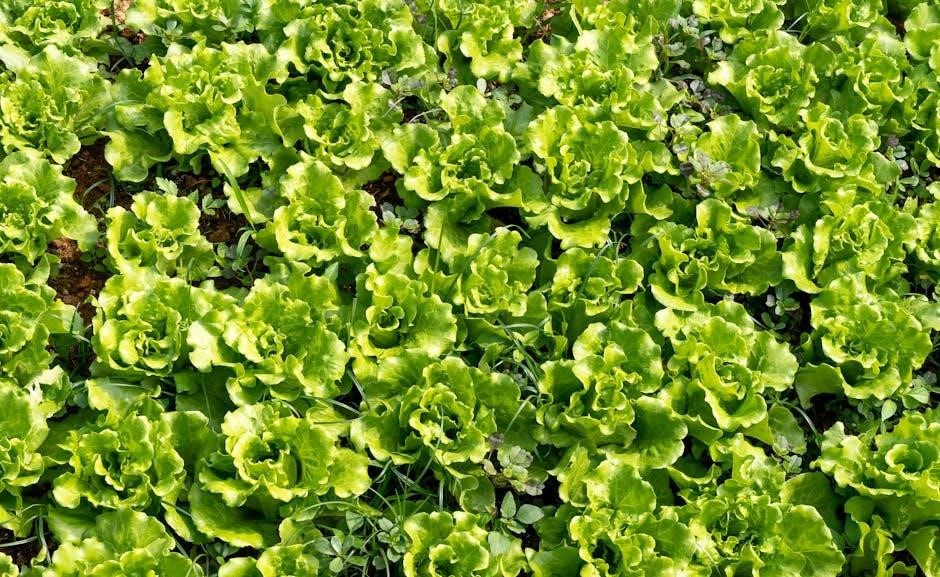
Focus on direct sowing hardy seeds like spinach, kale, lettuce, and radishes directly into the garden bed as soon as the soil can be worked – meaning it’s not soggy and crumbles easily. Protecting these early plantings with row covers or cold frames can provide an extra layer of defense against unexpected temperature drops.
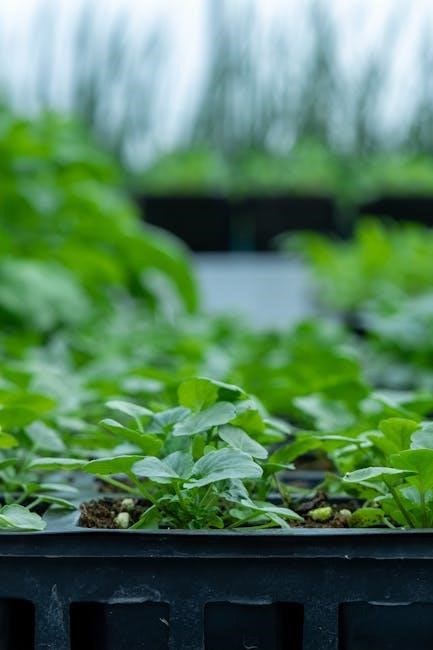
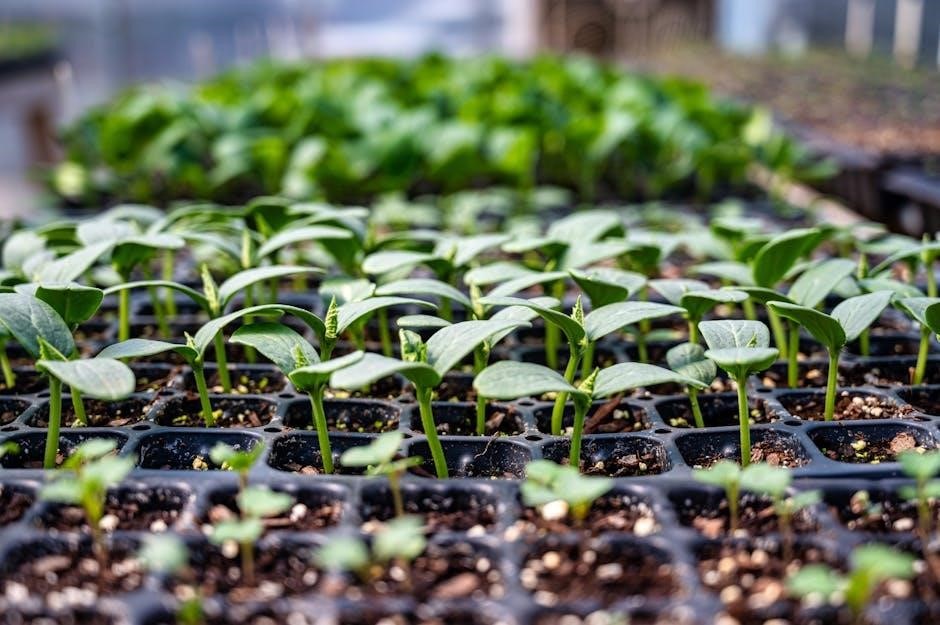
Seed starting indoors is also crucial during these months. Begin nurturing broccoli, cabbage, and cauliflower seedlings indoors to transplant later when the weather warms. Careful planning and a little protection will set your vegetable garden up for a bountiful harvest!
Cool-Season Vegetables ─ February/Early March
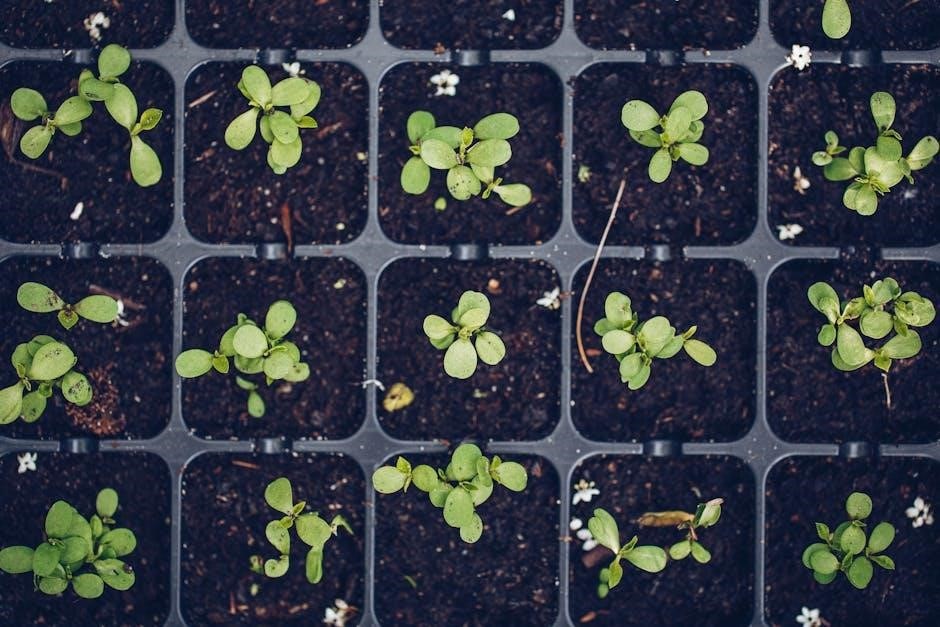
February and early March are prime times to introduce cool-season vegetables to your Zone 7a garden. These resilient plants thrive in cooler temperatures and can withstand light frosts, making them perfect for an early start. Consider planting spinach, kale, lettuce (various types!), mustard greens, and Swiss chard directly into the garden beds.
Radishes and turnips are also excellent choices for quick harvests. Peas, both snap and shelling varieties, can be directly sown as well. Remember to amend your soil with compost before planting to provide essential nutrients.
For a continuous harvest, practice succession planting – sow small batches of these vegetables every two to three weeks. This ensures a steady supply throughout the spring. Don’t forget to utilize row covers or cold frames for added protection against late-season frosts, maximizing your early yields!
Root Vegetables ─ Late February/March
Late February and March mark the ideal window for sowing root vegetables in Zone 7a. These crops prefer cool soil temperatures for optimal development, and getting them started early allows for a bountiful harvest before the heat of summer arrives. Carrots, beets, and parsnips should be directly sown into well-drained soil, enriched with compost.
Radishes, though quick to mature, can also be included in this planting. Ensure the soil is loose and free of stones to prevent misshapen roots. Turnips are another excellent option, offering both roots and greens for consumption.
Succession planting is crucial for root vegetables; sow small batches every few weeks to extend the harvest period. Consistent moisture is key for germination and growth, so maintain adequate watering, especially during dry spells.
Spring Planting (April ─ May)
April and May represent the peak of the spring planting season in Zone 7a, as the threat of frost diminishes and soil temperatures consistently rise. This period is perfect for transitioning to warm-season crops that thrive in longer daylight hours and warmer conditions. Gardeners should focus on establishing plants that require a longer growing season to reach maturity.
Careful monitoring of the weather is still advised, as late frosts can occasionally occur. Hardening off seedlings started indoors is essential before transplanting them into the garden. Preparing the soil with compost and organic matter will provide the necessary nutrients for robust growth.
This is a busy time for gardeners, demanding consistent attention to watering, weeding, and pest control to ensure a successful and productive spring harvest;
Warm-Season Vegetables ⸺ April/Early May
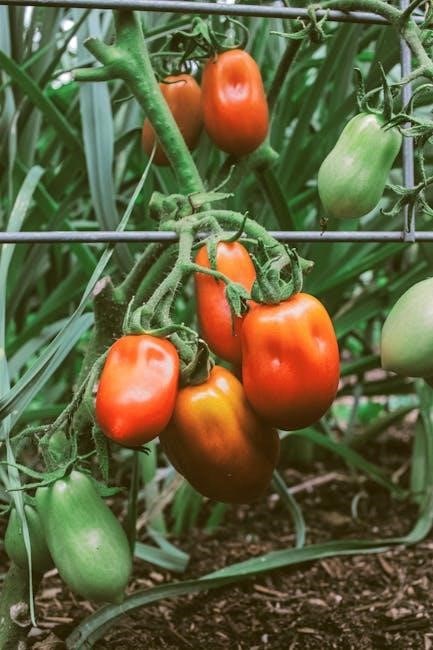
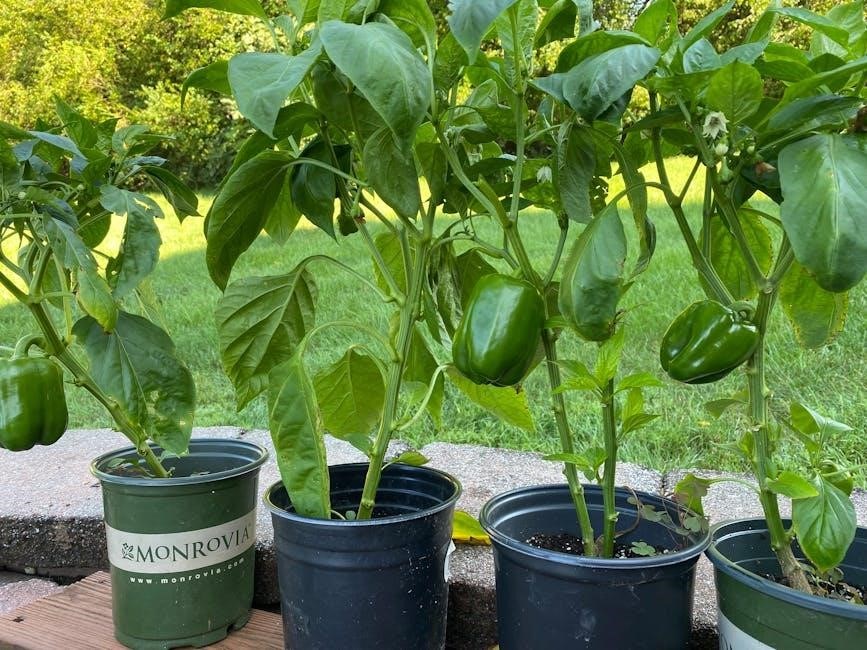
As soil temperatures reach 60°F (15°C) in April and early May, it’s time to introduce warm-season vegetables to your Zone 7a garden. These plants require consistent warmth to flourish and produce abundant yields. Popular choices include tomatoes, peppers, eggplants, cucumbers, and squash.
Start tomatoes and peppers from transplants for a head start, while cucumbers and squash can be directly sown into the garden. Ensure adequate spacing between plants to allow for proper air circulation and growth. Consistent watering is crucial, especially during dry spells.
Consider using mulch to retain moisture, suppress weeds, and regulate soil temperature. Protecting young plants from potential late frosts with row covers can also be beneficial.
Succession Planting for Continuous Harvests
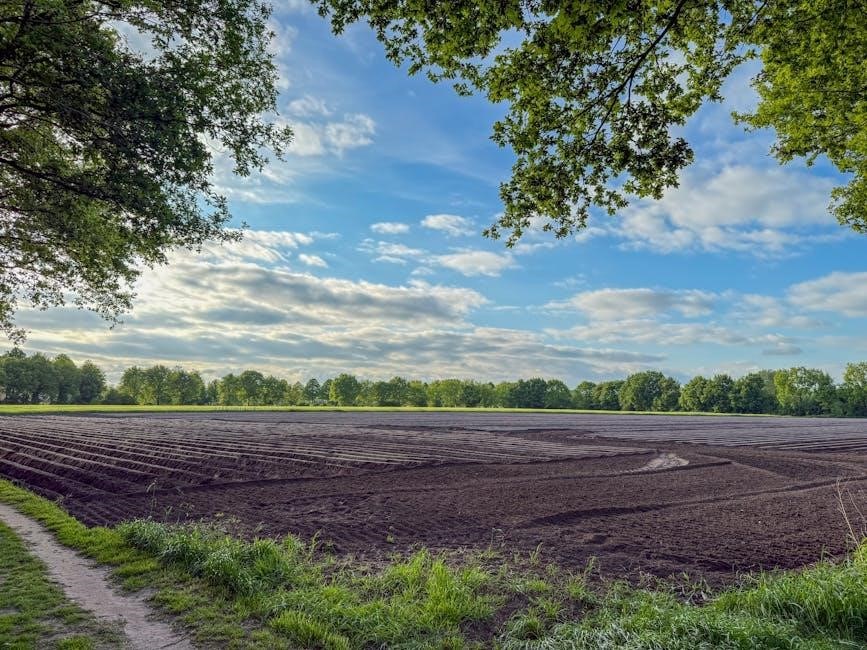
Maximize your garden’s productivity throughout the growing season with succession planting. This technique involves sowing seeds or transplanting seedlings at intervals of 2-3 weeks to ensure a continuous supply of fresh vegetables.
Leafy greens like lettuce, spinach, and kale are ideal for succession planting, as are radishes and beans. After harvesting the first crop, immediately sow another round of seeds in the same space.
Staggering planting times prevents a glut of produce all at once and extends the harvest period. For example, plant a row of bush beans every two weeks for a steady supply throughout the summer. Careful planning and consistent sowing will reward you with a bountiful and diverse garden harvest.
Summer Planting (June ─ July)
June and July in Zone 7a offer a second opportunity for planting certain vegetables, extending the harvest well into fall. Warm-season crops that didn’t quite make it into the ground during spring planting can still thrive with a summer sowing.
Consider planting a second round of bush beans, summer squash, and zucchini. These fast-maturing vegetables will provide a late-summer and early-fall harvest. Heat-tolerant varieties of lettuce and kale can also be sown for a fall crop.
Focus on providing adequate water during these hot summer months. Mulching around plants helps retain moisture and suppress weeds. Regularly monitor for pests and diseases, addressing any issues promptly to ensure a healthy and productive summer garden.
Second Crop Vegetables ─ June/July
June and July represent prime time for initiating second plantings of quick-maturing vegetables in Zone 7a, maximizing garden yield. This strategy ensures a continuous supply of fresh produce throughout the growing season, extending the harvest beyond the initial spring planting.
Excellent choices for a second crop include radishes, fast-growing spinach, and leaf lettuce. Bush beans and summer squash also respond well to a mid-summer sowing. Consider succession planting with beets and carrots, staggering plantings every few weeks for a prolonged harvest.
Remember to provide consistent moisture, especially during hot spells. Utilizing shade cloth can protect delicate seedlings from intense sunlight. Regularly inspect plants for pests and diseases, taking preventative measures as needed to maintain a thriving second crop.
Heat-Tolerant Vegetables
Zone 7a summers can bring intense heat, making selecting heat-tolerant vegetables crucial for a successful garden. These varieties thrive even when temperatures soar, ensuring a bountiful harvest despite challenging conditions. Prioritizing these plants minimizes stress and maximizes productivity.
Top choices include okra, southern peas (cowpeas), eggplant, peppers, and sweet potatoes. Tomatoes, particularly determinate varieties, also perform well with adequate watering. Consider planting these alongside taller crops to provide some afternoon shade.
Mulching heavily around plants helps retain soil moisture and regulate temperature. Consistent watering, especially during the hottest parts of the day, is essential. Monitoring for heat stress – wilting, blossom drop – allows for timely intervention and continued growth.

Fruit & Berry Planting Schedule
Establishing a fruit and berry garden in Zone 7a demands strategic timing, considering dormancy, bloom periods, and optimal root development for long-term yields.
Spring Fruit Planting (March ⸺ May)
Spring presents an excellent window for establishing many fruit-bearing plants in Zone 7a, capitalizing on warming soils and increasing daylight hours. March is generally ideal for getting a head start with berry bushes, allowing them ample time to establish roots before the heat of summer arrives. Consider varieties like blueberries, raspberries, and blackberries, ensuring proper soil preparation with plenty of organic matter for optimal drainage and nutrient availability.
April and May are prime months for planting fruit trees, though timing depends on the specific species. Peach, plum, and cherry trees benefit from being planted while they are still dormant or just beginning to leaf out. Careful attention should be paid to spacing requirements to allow for mature size and adequate air circulation, minimizing disease risks. Remember to protect young trees from late frosts with coverings if necessary, and consistent watering is crucial during the establishment phase.
Proper planting depth and staking are also vital for successful fruit tree establishment, ensuring a strong foundation for years of bountiful harvests.
Berry Bush Planting ─ Early Spring
Early spring, typically March in Zone 7a, is the sweet spot for planting berry bushes, allowing them to establish a robust root system before summer’s heat. Blueberries require acidic soil (pH 4.5-5.5), so amending with peat moss or sulfur is often necessary. Raspberries and blackberries prefer slightly less acidic conditions but still benefit from well-drained, fertile soil.
Spacing is crucial; raspberries generally need 2-3 feet between plants, while blueberries require 4-5 feet. Proper planting depth is also key – ensure the crown of the plant is level with the soil surface. Water thoroughly after planting and maintain consistent moisture, especially during dry spells.
Consider choosing disease-resistant varieties and providing support structures like trellises for raspberries and blackberries. Mulching around the bushes helps retain moisture, suppress weeds, and regulate soil temperature, promoting healthy growth and abundant fruit production.
Fruit Tree Planting ⸺ Late Spring
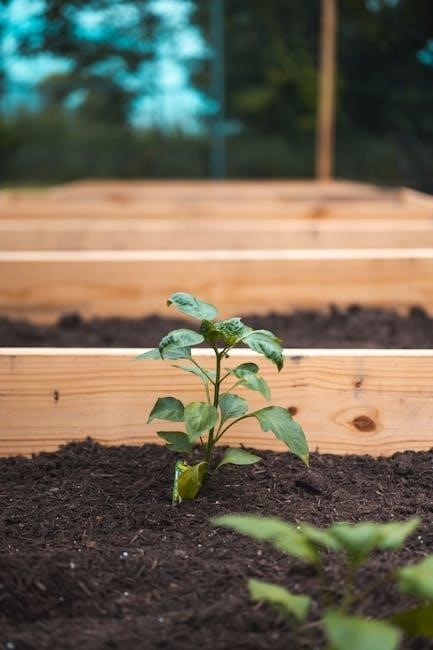
Late spring, generally April to May in Zone 7a, offers warmer soil temperatures ideal for fruit tree establishment, after the risk of hard frost has passed. Apple, pear, peach, and plum trees all thrive when planted during this period. Selecting appropriate rootstock is vital, influencing tree size and disease resistance.
Dig a hole twice as wide as the root ball and just as deep. Amend the backfill with compost to improve soil fertility and drainage. Ensure the graft union (the swollen area on the trunk) remains above the soil line. Stake young trees for support, protecting them from wind damage.
Water deeply and regularly, especially during the first growing season. Pruning at planting can help shape the tree and encourage branching. Consider pollination requirements – some fruit trees need cross-pollination from another variety to produce fruit.
Fall Fruit Planting (September ⸺ November)
Fall planting provides fruit trees a crucial period to establish roots before the ground freezes, leading to vigorous spring growth in Zone 7a. September through November is prime time for dormant fruit tree installation. This method minimizes transplant shock, as the tree focuses on root development rather than foliage.
Bare-root trees are particularly well-suited for fall planting, offering cost savings and easier handling. Proper soil preparation is key; amend with compost and well-rotted manure. Protect trunks from rodents with tree guards.
Mulch heavily around the base of the tree to insulate roots and retain moisture. Water thoroughly after planting, and continue as needed throughout the fall if rainfall is insufficient. Fall planting allows for earlier fruiting the following season.
Dormant Fruit Tree Planting
Dormant fruit tree planting in Zone 7a, ideally from late October to November, offers significant advantages. Trees enter a period of rest, minimizing stress during transplanting. Bare-root trees are the preferred choice, being more affordable and easier to handle than container-grown options.
Dig a hole twice as wide as the root ball, ensuring proper drainage. Gently spread the roots and position the tree at the correct depth – the graft union should be a few inches above the soil line. Backfill with amended soil, tamping gently to remove air pockets.
Mulch generously around the base, protecting roots from temperature fluctuations. Water deeply after planting, and consider using tree guards to prevent rodent damage. Staking may be necessary for support, especially in windy locations.
Strawberry Planting ─ Fall
Fall strawberry planting, specifically from September to November in Zone 7a, is highly recommended for a bountiful harvest the following spring. This timing allows plants to establish a strong root system before the ground freezes, resulting in larger, earlier berries. Choose healthy, disease-free plants from a reputable source.
Prepare the soil by amending it with compost or well-rotted manure. Plant strawberries at a depth where the crown – the point where the roots meet the leaves – is level with the soil surface. Space plants approximately 18-24 inches apart in rows.
Mulch heavily with straw to protect plants from winter cold and suppress weed growth. Water thoroughly after planting. Protect from birds with netting once berries begin to develop in the spring, ensuring a delicious reward for your efforts.
Flower Planting Schedule
Zone 7a flower gardening thrives with strategic planting; spring and fall offer unique opportunities for blooming beauty and vibrant garden displays.
Spring Flower Planting (March ─ May)
As temperatures rise in Zone 7a during March, April, and May, the flower garden truly awakens! This period is ideal for establishing a spectacular display of color and fragrance. Direct sowing of seeds for annuals like zinnias, cosmos, and sunflowers can begin after the last expected frost, typically in late April or early May.
For perennials, spring is a prime time for transplanting established plants or introducing new varieties. Consider peonies, irises, and daylilies for long-lasting beauty. Pinch back young plants to encourage bushier growth and more blooms. Don’t forget to amend the soil with compost to provide essential nutrients. Regular watering is crucial, especially during dry spells, to ensure healthy root development and vibrant flowering. Successive planting of quick-growing annuals will extend the bloom season throughout the summer months.
Bulb Planting ─ Fall for Spring Bloom
Fall is the crucial time for planting bulbs in Zone 7a to enjoy a breathtaking spring display. Tulips, daffodils, hyacinths, and crocuses all thrive with autumn planting, requiring a period of cool dormancy to develop strong roots before flowering. Plant bulbs at a depth roughly three times their height, ensuring the pointed end faces upwards.
Well-drained soil is essential to prevent rot, so amend heavy clay soils with compost or other organic matter. Consider layering bulbs at different depths for a staggered bloom time, extending the color show. Mark planting locations to avoid accidental disturbance. Protect bulbs from rodents with wire mesh or by planting them within bulb cages. A fall fertilizer formulated for bulbs will provide essential nutrients for robust growth and abundant blooms next spring. Proper fall preparation guarantees a vibrant and colorful garden awakening.
Annuals & Perennials ─ After Last Frost
Once the danger of frost has passed in Zone 7a, typically around mid-May, it’s time to introduce annuals and perennials to your garden. Annuals, like petunias, marigolds, and zinnias, provide vibrant, season-long color but require replanting each year. Perennials, such as coneflowers, black-eyed Susans, and daylilies, return year after year, offering lasting beauty with minimal effort.
Prepare garden beds with compost and well-rotted manure to enrich the soil. Space plants according to their mature size, allowing for adequate air circulation. Water thoroughly after planting and continue to provide consistent moisture, especially during dry spells. Deadheading spent blooms encourages continued flowering in annuals. Mulch around plants to suppress weeds and retain moisture. Choosing the right annuals and perennials for your light conditions and soil type will ensure a flourishing and beautiful garden throughout the growing season.
Fall Flower Planting (September ⸺ October)
September and October offer a prime window for fall flower planting in Zone 7a, extending your garden’s beauty well into the cooler months. Cool-season annuals like pansies, violas, and snapdragons thrive in the crisp autumn air, providing vibrant color before the first frost. Consider planting ornamental kale and cabbage for textural interest and unique foliage.
Fall is also the ideal time to plant spring-blooming bulbs (covered in a separate section!), but for immediate color, focus on these hardy annuals. Prepare your beds with compost to provide essential nutrients. Ensure good drainage to prevent root rot during wetter periods. Water newly planted flowers regularly until established. A layer of mulch will protect roots from fluctuating temperatures. Fall planting allows plants to develop roots before winter, resulting in a stronger, more vibrant display next spring.
Cool-Season Annuals
When selecting cool-season annuals for Zone 7a’s fall planting, prioritize varieties that can tolerate light frosts and cooler temperatures. Pansies and violas are excellent choices, offering a wide range of colors and patterns that bloom profusely throughout the fall and even into mild winters. Snapdragons provide vertical interest and come in various heights and hues.
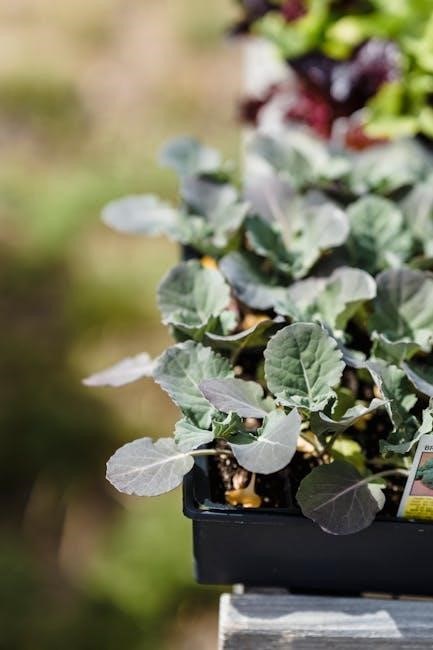
Ornamental kale and cabbage add unique texture and color to the fall garden, often intensifying in cooler weather. Dusty miller’s silvery foliage complements other fall blooms beautifully. Consider adding primroses for early spring color, as they can often be planted in the fall for a head start. Ensure well-drained soil and consistent moisture for optimal growth. Deadheading spent blooms will encourage continued flowering.
Preparing Flower Beds for Winter
As autumn progresses in Zone 7a, preparing flower beds for winter is crucial for spring success. Begin by removing all annual plant debris to prevent overwintering pests and diseases. Amend the soil with compost or well-rotted manure to replenish nutrients and improve drainage. A layer of mulch – such as shredded leaves, straw, or pine needles – protects plant roots from freezing temperatures and helps retain moisture.
For perennial flowers, a heavier layer of mulch is beneficial. Consider applying an anti-desiccant spray to evergreens to prevent winter burn from drying winds. Ensure proper drainage to avoid root rot during periods of thaw and refreeze. Protect tender bulbs with extra mulch or consider digging them up and storing them indoors. A well-prepared flower bed ensures a vibrant and healthy garden next spring.